

Serologic tests for autoantibodies, including antinuclear antibodies (ANAs) and antibodies to specific nuclear antigens such as double-stranded DNA (dsDNA), play an important role in the diagnosis of systemic rheumatic diseases. However, test results for autoantibodies alone are insufficient to establish the diagnosis of a systemic rheumatic disease. No tests for autoantibodies should be performed without a clinical evaluation that leads to a presumptive diagnosis.
The original discovery of ANA was based on indirect immunofluorescence. Immunofluorescent antibody (IFA) is still the most commonly utilized method for detection of antinuclear antibodies. In this method, diluted patient serum is incubated on a slide containing a monolayer of human epithelial cells. If antibody is present, it binds to cell nuclei. After washing, bound antibody is detected by adding fluorescent anti-human IgG. Positive cells demonstrate bright green nuclear fluorescence with a distinct staining pattern. Patient samples are initially tested at a dilution of 1:40 to 1:160. Positive samples are then diluted and both the fluorescent pattern and titer are reported. The titer is the highest dilution of serum that still shows immunofluorescent nuclear staining.
Hep-2 cells are the preferred cell line due to their human origin, high mitotic activity, and the ability to induce expression of clinically important antigens. HEp-2 cells have an estimated 100 to 150 antigens, the most of any method, allowing for detection of the greatest number of antibody specificities.
The four commonly recognized staining patterns are homogeneous, speckled, nucleolar, and centromere. Previously, attempts were made to correlate the fluorescent pattern with specific diseases. For example, the homogeneous pattern was believed to indicate SLE or drug induced SLE, nucleolar pattern scleroderma, centromere pattern the CREST syndrome, and speckled pattern a wide variety of diseases. During the last several years, however, the clinical importance of the staining pattern has diminished. Considerable overlap exists between the different fluorescent patterns and rheumatic diseases and more specific autoantibody tests have become available. Specific follow-up tests for antibodies to the following antigens are available: dsDNA, Sm, RNP, SS-A (Ro), SS-B (La,) Scl-70, histones, and Jo-1.
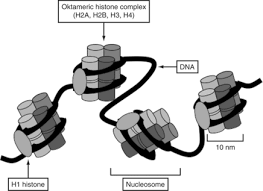
Histones are basic proteins, which bind to DNA within the nuclei of all cells. IgG antibodies to H2A-H2B histones are found in patients with drug-induced lupus. The appropriate clinical setting for drug-induced lupus involves exposure to a causative drug, development of a high titer ANA, absence of anti-dsDNA antibodies, and presence of clinical features of SLE. A number of medications have been associated with the development of ANAs and clinical signs and symptoms suggestive of SLE. Common manifestations included arthritis, serositis, and rashes. Renal and CNS manifestations are usually absent. The most commonly associated medications are hydralazine, isoniazid, procainamide, and several anticonvulsants.
Antihistone antibodies are present in 90 to 100% of patients with drug-induced lupus. These antibodies are also detectable in 80% of patients with idiopathic SLE, as well as patients with rheumatoid arthritis, scleroderma, vasculitis and autoimmune hepatic diseases. The absence of antihistone antibodies makes the diagnosis of drug-induced SLE less likely, but their presence does not confirm that the case is drug induced. Thus, the presence of this antibody is occasionally less helpful than its absence.
Antihistone antibodies are detected by an enzyme immunosorbent assay. Reference value is absent.
Specimen requirement is a red top or gel-barrier tube of blood.
For more information, see the article entitled, “Antinuclear Antibodies.
References
Fritzler MJ, Tan EM. Antibodies to histones in drug-induced and idiopathic lupus erythematosus. J Clin Invest. 1978; 62(3):560-567.
Portanova JP et al, Reactivity of anti-histone antibodies induced by procainamide and hydralazine, Clin Immunol Immunopathol, 1982;25:67-79.
Epstein A, Barland P. The diagnostic value of antihistone antibodies in drug-induced lupus erythematosus. Arthritis Rheum.1985; 28(2):158-162.
Morozzi, G, et al. Prevalence of anti-histone antibodies, their clinical significance and correlation with other autoantibodies in a cohort of Italian scleroderma patients. Autoimmun Highlights 2011;2: 29–33.



 How to resolve AdBlock issue?