

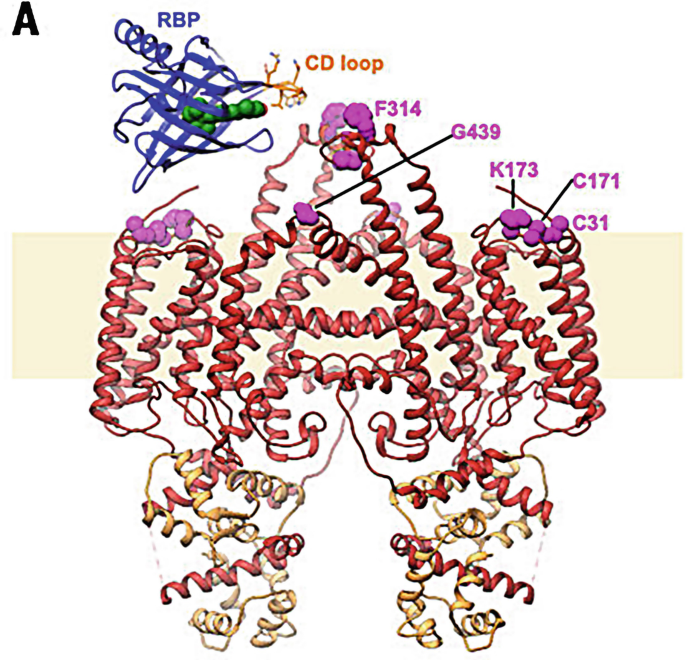
Prealbumin, also know as thyroxine binding prealbumin and transthyretin, is a glycoprotein of approximately 54,000 daltons. It is primarily synthesized in the liver and functions as a transport protein for thyroxine. Prealbumin circulates in plasma as a retinol-binding-prealbumin complex and indirectly serves as a carrier for vitamin A.
Of all the serum proteins, prealbumin is the best indicator of protein-energy malnutrition because it has a circulating half life of two days and responds rapidly to changes in nutritional status. Measurement of prealbumin levels in newly admitted patients is the most cost effective method of detecting protein-energy malnutrition.
Serum prealbumin levels show a linear relationship to the degree of protein-energy malnutrition.
|
Prealbumin (mg/dL) |
Malnutrition |
|
>18 |
No Risk |
|
10 – 17 |
Moderate Risk |
|
<10 |
Severe |
A low prealbumin concentration is useful in identifying at-risk patients who require careful monitoring and possibly nutritional support. Prealbumin levels should be measured every other day to monitor nutritional support. Levels should increase at a rate of 1 mg/dL per day, if a patient is responding to protein replenishment. Patients can be converted to oral nutrients when the serum level reaches 16 mg/dL or more.
Serum prealbumin concentration is affected by a few non-nutritional factors. Prealbumin is a negative acute phase reactant, which means that levels decrease during inflammation or infection. Severe liver disease may also cause decreased levels. Serum prealbumin is increased by end stage renal disease and glucocorticoid administration.
Reference range is: 12-32 mg/dL for ages 18 years and younger and 19-38 mg/dL for ages 19 years and older.
Serum prealbumin concentration is measured by nephelometry. Specimen requirement is one SST tube of blood.
In 2021, The Choosing Wisely initiative recommended against measuring prealbumin to assess malnutrition. Professional societies, including ASPEN and the European Society for Clinical Nutrition and Metabolism, have proposed different guidelines for the screening and assessment of malnutrition. They recommended using clinically relevant diagnostic variables for screening and assessment of malnutrition. These variables include reduced food intake (anorexia), non-volitional weight loss, (reduced) lean mass, status of disease burden and inflammation, and low body mass index or underweight status .
References
Haider M, Haider SQ. Assessment of protein-calorie malnutrition. Clin Chem 1984;30(8):1286-1299.
Bernstein LH, et al. Usefulness of data on albumin and prealbumin concentrations in determining effectiveness of nutritional support. Clin Chem 1989;35(2):271-274.
Beck FK, Rosenthal TC, Prealbumin: A Marker for Nutritional Evaluation, Am Fam Physician, 2002;65(8):1575-1579.
Ranasinghe R, et al, Prealbumin: The clinical utility and analytical methodologies, Ann Clin Biochem, 2020;59(1):7-14.
Lacy M, Roesch J, Langsjoen J, Things We Do For No Reason: Prealbumin Testing to Diagnose Malnutrition in the Hospitalized Patient, 2021; https://blogs.the-hospitalist.org/content/things-we-do-no-reason-prealbumin-testing-diagnose-malnutrition-hospitalized-patient



 How to resolve AdBlock issue?