

Kaposi sarcoma-associated herpesvirus (KSHV) I also known as Human Herpesvirus 8 .KSHV is the cause of Kaposi sarcoma, Castleman disease, primary effusion lymphoma, and Kaposi sarcoma-associated herpesvirus inflammatory cytokine storm (KICS).
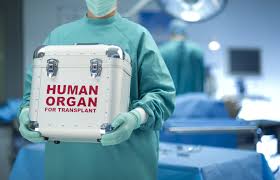
KSHV transmission in the United States has most commonly been associated with men who have sex with men (MM) or with persons who have HIV infection. Transmission has also been associated with organ transplantation.
In solid organ transplant recipients, post-transplantation KSHV-related complications can result from 1) reactivation of latent infection, 2) new post transplantation infection, or 3) transmission of KSHV from the transplanted organ (3). Because transplant recipients receive immunosuppressive medication to prevent graft rejection, infection in these persons can be severe and result in death.
As of February 2026, post-transplantation KSHV has been identified among 74 transplant recipients. Sixty one percent of these recipients developed Kaposi sarcoma, 14% developed Kaposi sarcoma and Castleman disease, 8% developed KICS; 5% developed a lymphoproliferative disorder alone and 1% developed KICS alone. Most of the donors were not infected with HIV, but nonmedical drug use was common.
Limited commercial availability of KSHV assays, particularly serology, has hindered surveillance and tracking of donor-derived infections. Testing of recipients should be undertaken when 1) donors have risk factors for KSHV, 2) donor KSHV infections are identified, or 3) another transplant recipient who received an organ from the same donor has evidence of KSHV infection.
Transplant recipient testing should include both molecular and serologic assays when possible. At a minimum, serologic testing should be performed to detect infection because 1) molecular assays might not identify recipient infections and 2) the ability to detect KSHV DNA in blood is episodic.
References
Kracalik I, et al. Kaposi Sarcoma–Associated Herpesvirus Infection and Complications Among Solid Organ Transplant Recipients — United States, January 2021–September 2025. MMWR Morb Mortal Wkly Rep 2026;75:99–105.
Wen KW, Damania B. Kaposi sarcoma-associated herpesvirus (KSHV): molecular biology and oncogenesis. Cancer Lett 2010;289:140–50.
Knights SM, et al. High seroprevalence of Kaposi sarcoma–associated herpesvirus in men who have sex with men with HIV in the southern United States. Open Forum Infect Dis 2023;10:ofad160.
Albrecht D, et al. Epidemiology of HHV-8 infection in HIV-positive patients with and without Kaposi sarcoma: diagnostic relevance of serology and PCR. J Clin Virol 2004;30:145–9.
Polizzotto MN, et al. Clinical features and outcomes of patients with symptomatic Kaposi sarcoma herpesvirus (KSHV)–associated inflammation: prospective characterization of KSHV inflammatory cytokine syndrome (KICS). Clin Infect Dis 2016;62:730–8.



 How to resolve AdBlock issue?