

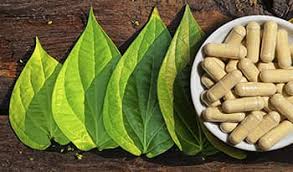
Kava (Piper methysticum) is a psychoactive plant native to the Pacific Islands. Traditionally, its root has been prepared as a water-based beverage consumed in cultural and social settings. Since the 1990s, commercial kava products have become increasingly available in the United States. Kava is marketed as concentrated extracts, capsules, and recreational beverages. These products are sold online and in vape shops. They are also available at dedicated kava bars, which are often promoted as alcohol-free social venues.
These commercial products are unregulated and differ substantially from traditional aqueous preparations in terms of plant material, extraction methods, and alkaloid concentration. Kavalactones are the primary active compounds of kava that exert sedative and anxiolytic effects. Products sold in the United States are unregulated and advertised to contain more than 250 mg of kavalactones per serving. Some commercial products contain 2 to10 times higher concentrations of kavalactones than traditional preparations.
Commercial kava products have been associated with nausea, vomiting, hepatotoxicity, liver failure, drowsiness, lethargy, dizziness, and agitation. Hepatotoxicity occurs most often after chronic consumption of high-potency commercial products. In 2020, FDA further concluded that indiscriminate kava use is not safe for use as a recreational or relaxation beverage for human consumption.
Despite these cautions, the commercial kava market has continued to expand and diversify. For example, kava is being combined with kratom, a psychoactive plant with opioid-like effects. The combination of kava and kratom causes the same symptoms as kava alone, but also seizures, tremors, and hypertension.
Between the years 2000 and 2025, a total of 3,101 kava-related exposures were reported to the National Poison Data System (NPDS). In 2025, consumption products containing kava and kratom accounted for 30% of the exposures. An average of 20% of exposed persons were hospitalized each year. Eight people have died from kava overdose.
References
Towers EB, Williams IL, Holstege CP, Farah R. Increase in Poison Center Reports Linked to Kratom-Containing Kava Products — National Poison Data System, United States, 2000–2025. MMWR Morb Mortal Wkly Rep 2026;75:157–163.
Bian T, Corral P, Wang Y, et al. Kava as a clinical nutrient: promises and challenges. Nutrients 2020;12:3044.
Sarris J, LaPorte E, Schweitzer I. Kava: a comprehensive review of efficacy, safety, and psychopharmacology. Aust N Z J Psychiatry 2011;45:27–35
Food and Drug Administration. Scientific memorandum: kava (review of the published literature pertaining to the safety of kava for use in conventional foods). Silver Spring, MD: US Department of Health and Human Services, Food and Drug Administration; 2020. https://www.fda.gov/media/169556/download
Pont-Fernandez S, Kheyfets M, Rogers JM, Smith KE, Epstein DH. Kava (Piper methysticum) in the United States: the quiet rise of a substance with often subtle effects. Am J Drug Alcohol Abuse 2023;49:85–96.



 How to resolve AdBlock issue?