

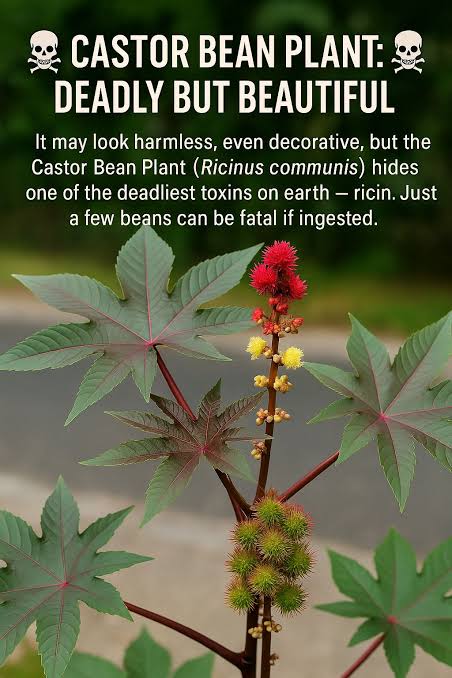
Ricin is a highly potent biological toxin derived from the seeds of the castor bean plant (Ricinus communis). It can be extracted from castor bean meal, which is a by-product of castor oil production. Ricin can be prepared in liquid or crystalline form or processed into a dry powder. It can be disseminated as an aerosol, injected into a target, or used to contaminate food or water.
Exposure can occur through inhalation of aerosolized particles, ingestion of contaminated material, injection, or through the skin when combined with certain chemicals or through open wounds. Ricin in powdered or mist form can cause redness and pain in the skin and eyes.
Ricin is a Category B bioterrorism agent and a Schedule 1 chemical warfare agent. Confirmed ricin incidents are rare. Bulgarian dissident Georgi Markov was fatally attacked in London in 1978 with a ricin-filled pellet allegedly fired from a modified umbrella. This assassination was linked to Bulgaria’s communist security service and the KGB, though no one has been charged. In the United States, a South Carolina postal facility received a ricin- containing envelope in 2003. In 2013, ricin contaminated letters were sent to federal officials including the President.
On September 10, 2026, the Barry-Eaton District Health Department (BEDHD) in Hastings, Michigan received notification of ricin exposure at Tyden Lofts apartment complex and the Corewell Health Pennock Hospital Emergency Department. An individual presented to the hospital after manufacturing ricin in his apartment. The individual was immediately isolated. 145 residents were evacuated from Tyden Lofts as a precautionary measure while testing and decontamination were underway. The FBI was investigating this case as a potential crime of intentional release.
Whether ingested, injected, or inhaled, ricin is highly toxic because it inhibits protein synthesis. Symptoms vary by exposure route. Ingestion may cause profuse vomiting, dehydration, weakness, low blood pressure, seizures, and possible shock and multi-organ failure. Inhalation may cause cough, breathing difficulty, flu-like symptoms, pulmonary edema, and potentially fatal respiratory failure. Injection may cause immediate injection-site pain followed by nausea, weakness, fever, vomiting, hypotension, shock, and multi organ failure. Death can occur within 36 to 72 hours, depending on how much ricin someone was exposed to and how they were exposed.
Early decontamination remains the most effective immediate intervention for potentially exposed individuals. Clinical management is limited to supportive care to alleviate symptoms, including respiratory support, fluid management, and hemodynamic stabilization. There is no approved vaccine or antidote.
Reference
Beacon, Confirmed ricin exposure at residential apartment complex in Hastings, Michigan, USA triggers evacuation and FBI investigation, September 13, 2026, beaconbio.org



 How to resolve AdBlock issue?