

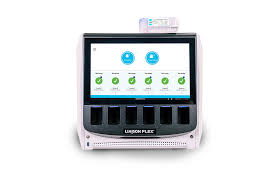
On May 19, 2026, Diasorin received 510(k) clearance from the FDA for its LIAISON PLEX Gastrointestinal Flex Assay. This is a customizable panel that detects 24 gastrointestinal pathogens. The menu includes:
Parasites
- Strongyloides stercoralis
- Dientamoeba fragilis
- Microsporidia
- Cryptosporidium spp.
- Giardia lamblia (duodenalis)
- Entamoeba histolytica
- Cyclospora cayetanensis
Bacteria and bacterial toxins
- Clostridium difficile (Toxin A/B)
- Salmonella spp.
- Shigella spp. / Enteroinvasive E. coli (EIEC)
- Campylobacter spp. (C. jejuni, C. coli, C. upsaliensis)
- Yersinia enterocolitica
- Vibrio spp. (V. cholerae, V. parahaemolyticus, V. vulnificus)
- Listeria monocytogenes
- Shiga-like Toxin-producing E. coli (STEC stx1/stx2)
- E. coli O157
- Enterotoxigenic E. coli (ETEC LT/ST)
- Enteropathogenic E. coli (EPEC)
- Enteroaggregative E. coli (EAEC)
Viruses
- Norovirus GI
- Norovirus GII
- Rotavirus A
- Adenovirus 40/41
- Sapovirus
- Astrovirus
Software allows laboratories to select targets based on factors such as seasonality clinical presentation, travel history, or immune status. This flexibility enhances diagnostic stewardship, accelerates turnaround time, and reduces healthcare costs. Laboratories pay for only the selected targets.
The assay expands the LIAISON PLEX portfolio, which also includes a customizable respiratory assay and three blood culture panels (Yeast, Gram-Negative, and Gram-Positive).
Reference
LabMedica, May 26, 2026



 How to resolve AdBlock issue?