

Rhinoviruses are the most frequent cause of the common cold.Traditionally, human rhinoviruses were associated with upper respiratory tract infection, otitis media, and sinusitis. However, PCR testing for respiratory pathogens has clearly demonstrated that rhinoviruses can also cause lower respiratory tract infections. Rhinovirus is in the genus Enterovirus.
There are three genetically distinct groups and more than 100 serotypes, which complicates efforts at anti-viral drug and vaccine development. Hand hygiene and adherence to institutional isolation policies are crucial to limiting the potential transmission of rhinovirus within health-care facilities.
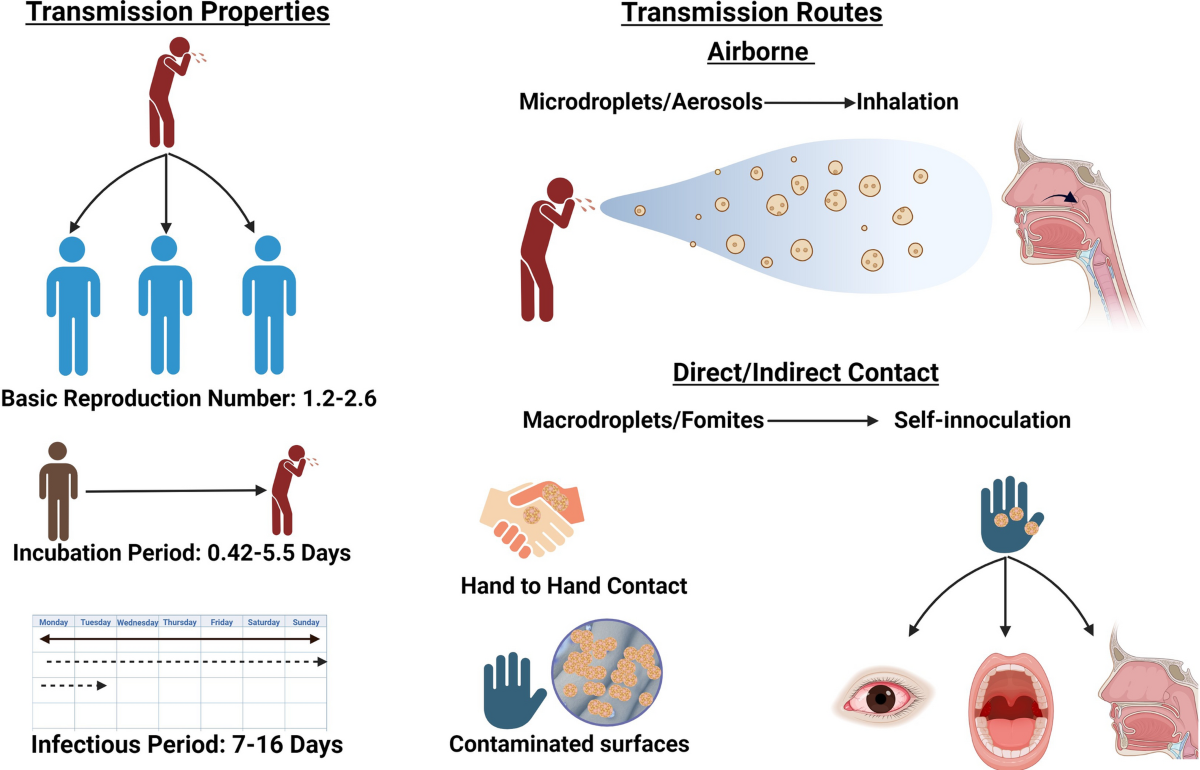
Rhinovirus is transmitted by either person to person contact, contact with contaminated surfaces, or aerosols. It is a hardy virus group that can survive on indoor surfaces for days at ambient temperature and on skin for 2 hours. Most infections occur year round, while influenza & RSV predominate in winter.
In most cases, rhinovirus causes mild upper respiratory tract infections. Typical symptoms include fever, cough, sneezing, sore throat, runny nose, headache, and mild body aches. They can last from one to two weeks.
Children, immunocompromised individuals, and patients with chronic pulmonary disease can progress to more severe illness. Children may develop severe bronchiolitis. The elderly and immunocompromised people may progress to severe pneumonia. Patients with chronic obstructive pulmonary disease and asthma may experience exacerbations of their disease.
Respiratory PCR is much more sensitive for the detection of rhinovirus than rapid antigen tests. Sensitivity of PCR for the eight most common respiratory viruses ranges from 95 to100%, with specificity of 99 to100%.
Rhinoviruses are included in most multiplex respiratory pathogen panes such as the BioFire Respiratory Panel and the BioFire FilmArray Pneumonia Panel.
Testing can be performed on nasopharyngeal swabs, nasal washes and bronchoscopy specimens. For optimal results, specimens should be collected within 3 to 5 days of symptom onset.
References
Jacobs S, et al. Human Rhinoviruses, Clin Microbiol Rev 2013;26(1):135-162.
Hidden in plain sight: the impact of human rhinovirus infection in adults, Respiratory Res 2025;26(120): https://doi.org/10.1186/s12931-025-03178-w.
Berry GJ, et al, ADLM Guidance Document on Laboratory Diagnosis of Respiratory Viruses, J Appl Lab Med, 2024; 9(3):599-628.
Dashler N, Dlein E, Mostafa H, The utility of syndromic respiratory pathogen panels: the premise of flexible and customizable approaches, J Clin Microbiol, 2025;63(7):e0031325.
Ramanan P, Bryson AL, Binnicker MJ, Pritt BS, Patel R. Syndromic panel-based testing in clinical microbiology. Clin Microbiol Rev. 2017;31(1):e00024-17.



 How to resolve AdBlock issue?