

Vitamin A is a lipid soluble group of vitamins that include retinol, retinal, and retinoic acid. They are derived from the plant precursor, beta carotene. It’s structure consists of two molecules of retinal linked at their aldehyde ends. Beta carotene is converted to vitamin A in intestinal cells and hepatocytes. Vitamin A is stored in the liver and transported to other tissues bound to retinol-binding protein and albumin.
Vitamin A plays an essential role in light detection by the retina and cellular differentiation of epithelial tissues. Together with carotenoids, vitamin A enhances immune function, reducing the consequences of some infectious diseases.
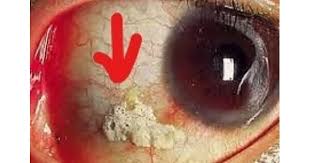
Vitamin A deficiency is rare in the United States, but is a common nutritional deficiency in underdeveloped countries. In the United States, vitamin A deficiency may be seen with disorders causing fat malabsorption such as biliary cholangitis, Crohn disease, and bariatric surgery. Night blindness is an early symptom that may be followed by xerophthalmia, corneal ulcers, scarring, and blindness.
The World Health Organization recommendations supplementation when vitamin A levels fall below 20.0 ug/dL. Severe deficiency is indicated at plasma levels below 10.0 ug/dL.
Vitamin A in excess can be toxic. Chronic vitamin A intoxication can occur in adults who ingest >15 mg per day and children who ingest >6 mg per day over a period of several months. Manifestations include dry skin, cheilosis, glossitis, vomiting, alopecia, bone pain, hypercalcemia, lymph node enlargement, hyperlipidemia, amenorrhea, and pseudotumor cerebri. Vitamin A concentrations >120 ug/dL are consistent with hypervitaminosis A.
Vitamin A (retinol) is measured in serum by liquid chromatography-tandem mass spectrometry. The reference range is age dependent.
Specimen requirement is a red top tube of blood.
References
Sommer A, Vyas KS. A global clinical view on vitamin A and carotenoids. Am J Clin Nutr. 2012 Nov;96(5):1204S-1206.
Greaves RF, et al. Laboratory medicine best practice guideline: vitamins a, e and the carotenoids in blood. Clin Biochem Rev. 2014;35(2):81-113.
Penniston KL, Tanumihardjo SA. The acute and chronic toxic effects of vitamin A. Am J Clin Nutr. 2006;83(2):191-201.
World Health Organization. Serum retinol concentrations for determining the prevalence of vitamin A deficiency in populations. Vitamin and mineral nutrition information system. Geneva, Switzerland: World Health Organization; 2011.



 How to resolve AdBlock issue?